
Key Takeaways
- Play is not just entertainment for young children — it is the primary way they build thinking skills, social awareness, and emotional regulation
- Teachers who plan with intention set up classroom spaces, materials, and routines that match how three-, four-, and five-year-olds actually learn
- Matching activities to each child’s age, individual pace, and cultural background leads to stronger engagement and deeper learning
- Observation is a quiet superpower — watching how children play reveals what they need next far better than any checklist
- Family input shapes stronger classrooms because parents hold knowledge about their child that no teacher can gather alone
- Investment in strong preschool programs produces long-term gains in school readiness, health, and future earnings
- Small daily choices — the arrangement of a block corner, the length of circle time, the kind of questions asked — add up to a classroom where children thrive
Why Play Deserves a Spot at the Center of the Classroom
If you have ever watched a four-year-old build a tower out of blocks, knock it down, and start again, you have witnessed something remarkable. That child is not wasting time. They are testing gravity, planning, problem-solving, and managing the frustration of failure — all before snack time. Play looks simple from the outside. It is actually the hardest work a young child does.
For a long time, adults assumed preschool should look like a scaled-down version of kindergarten. Worksheets. Flashcards. Quiet rows of chairs. But research keeps pointing in a different direction. Children between the ages of three and five learn best through hands-on exploration, conversation, and movement. When teachers understand this, they stop fighting the way kids are wired and start working with it.
This article is written for anyone new to the world of preschool teaching, parenting a young child, or simply curious about how good classrooms actually run. We will start from the ground floor and build up — no jargon, no assumptions.
What Does “Developmentally Appropriate” Actually Mean?
The phrase sounds like something a textbook invented, but the idea behind it is simple. Children grow in predictable stages, but each child also moves through those stages at their own pace and carries their own background. A good teacher plans around all three realities at once.
Think of it like clothing. A size three may fit most three-year-olds, but not every three-year-old. Some run tall. Some run small. Some need a longer sleeve because of where they live. Teaching works the same way. A lesson that is perfect for the average four-year-old in one classroom might fall flat in another because the children bring different experiences, languages, and interests.
When educators talk about developmentally appropriate practice in preschool, they are describing teaching choices that honor three things: what we know about child development in general, what we know about each specific child, and what we know about the family and community that child comes from. Hit all three, and learning sticks. Miss them, and children either get bored or feel lost.
The Three Pillars in Plain Language
- Age appropriateness — understanding what skills typically emerge between ages three and five
- Individual appropriateness — paying attention to one child’s temperament, interests, and current abilities
- Cultural appropriateness — respecting the home language, traditions, and values a child brings into the room
- Flexibility — adjusting plans when a child surprises you, in either direction
- Challenge with support — offering tasks slightly beyond current skill, with help nearby
How Teachers Plan Play on Purpose
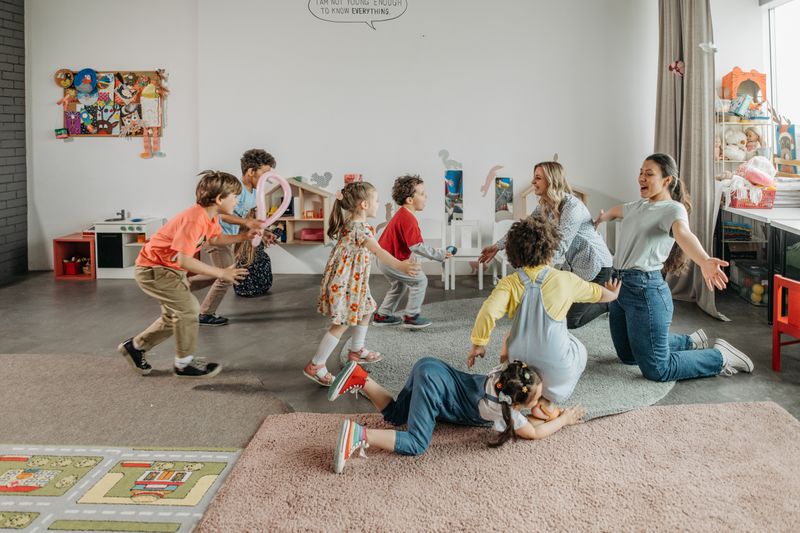
Intentional play is not the opposite of free play. It is the frame around it. A teacher sets up the environment, chooses the materials, and plants the questions. Then children take over. The magic happens when the setup matches what children need to practice.
Imagine a classroom where the dramatic play corner has been turned into a veterinary clinic. Stuffed animals. Clipboards. A toy stethoscope. A sign asking children to write the pet’s name. Within minutes, kids are negotiating roles, writing scribbles that stand for words, counting pretend money, and comforting a sick teddy bear. The teacher did not stand at a whiteboard. She built a world and let the children live in it.
Good planning also means being ready to step back. Teachers who hover kill the thinking. Teachers who disappear miss the chance to extend learning. The sweet spot is close observation — noticing when a child is stuck, when a conflict needs mediation, or when a well-placed question could push a game to the next level.
Sample Planning Questions a Teacher Might Ask
- What skills are my children ready to practice this week?
- Which materials will invite exploration without needing constant adult direction?
- How can I set up the space so quieter children can join in?
- What stories, songs, or props reflect the backgrounds of the families in my room?
- Where in the day do children need movement, and where do they need calm?
The Grown-Ups Behind the Curtain
Classrooms do not run themselves. The adult in the room shapes almost everything — the tone, the pacing, the sense of safety, the depth of conversation. According to the National Institutes of Health, the quality of young children’s learning experiences depends heavily on the skills and dispositions of their educators. This is not a knock on anyone. It is a reminder that teachers deserve strong training, decent pay, and ongoing support.
A skilled preschool teacher wears many hats in a single hour. Observer. Coach. Comforter. Mediator. Storyteller. Scientist. They notice which child has not spoken all morning. They remember that another child’s grandmother is visiting from out of town. They know when to offer a hug and when to offer a question. None of this shows up on a lesson plan, but all of it matters.
This is also why early childhood education works best when teachers are given time to reflect, collaborate with peers, and keep learning themselves. A tired, isolated teacher cannot pour into children. A supported one can change lives.
Meeting Every Child Where They Are
Preschool classrooms are not uniform. Some children arrive speaking two languages. Some have never held a crayon. Some have older siblings and know all the social rules. Some are still figuring out how to share. A few will have identified disabilities or developmental differences that call for extra support.
According to Child Trends, during the 2020-2021 school year, about 6.2 percent of preschoolers between three and five received services under federal disability law. That is a meaningful share of children in any classroom, and inclusive planning benefits everyone — not just those with formal plans. When teachers build in choice, movement, visual cues, and multiple ways to show what you know, every learner gains.
Supporting independence is a huge part of this work. Letting children pour their own water, zip their own coats, or solve small disputes with a bit of coaching builds confidence that lasts for years. Resources on building child independence can help parents and teachers find the right balance between stepping in and stepping back.
Signs a Classroom Is Working for Everyone
- Children of different abilities are playing together, not in separate corners
- Multiple home languages are visible on walls and heard in conversation
- Materials sit at child height so kids can get what they need
- Transitions include songs or warnings, so no one is caught off guard
- Mistakes are treated as part of learning, not something to hide
Why This Investment Pays Off
High-quality preschool is often framed as a cost. The research keeps showing it is actually one of the smartest investments a society can make. Children who attend strong early programs do better in school, graduate at higher rates, earn more as adults, and rely less on public services later in life.
According to Strong Start, economist James Heckman’s research estimates that excellent early programs deliver a 13 percent annual return on investment per child through better outcomes in education, health, and earnings. That number should make policymakers pay attention. It should also reassure parents and teachers that the hours spent setting up a sensory table or reading the same picture book for the fifteenth time are not small. They are shaping a life.
The payoff is not only financial. Children who feel capable, curious, and connected during these early years carry that sense of self into every grade that follows. A child who learns at four that their questions matter will keep asking questions at fourteen. A child who learns to work through a disagreement over a toy truck has a foundation for working through much bigger disagreements later.
Partnering With Families
No teacher, no matter how skilled, can see the whole child alone. Parents and caregivers hold pieces of the picture that only they can offer. What soothes their child at bedtime. What foods they refuse. What songs their grandmother sings. What they are afraid of. What they love beyond reason. When teachers invite that information in, planning gets sharper, and children feel more at home.
Strong family partnerships do not require fancy conferences or long questionnaires. They grow out of small, consistent habits. A warm greeting at drop-off. A note home about something funny a child said. A willingness to listen when a parent raises a concern, even a small one. Over time, these moments build the trust that makes harder conversations — about a learning concern, a behavior pattern, a family change — possible.
Easy Ways to Build the Bridge
- Share one positive observation about each child with their family every week
- Invite caregivers to contribute family photos, recipes, or stories to the classroom
- Offer multiple ways to communicate — text, email, paper notes, brief chats
- Ask what the family hopes their child will gain this year, and revisit the answer
- Translate key messages into home languages whenever possible
Setting Up a Classroom That Teaches Alongside You
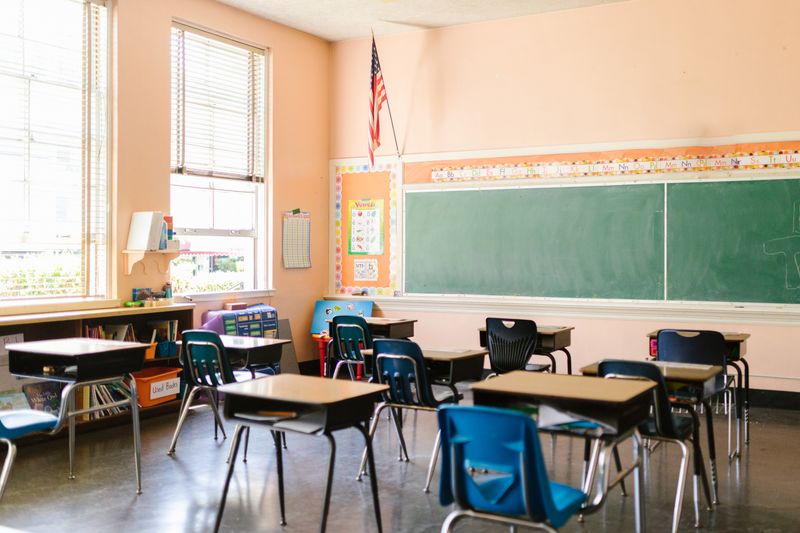
The physical space is a silent co-teacher. Where materials sit, how corners are arranged, what hangs on the walls — all of it sends messages to children about what is expected and what is possible. A well-arranged room reduces conflicts, invites deeper play, and lets children act with independence.
Open shelves at child height tell kids they can choose. Cozy nooks with cushions tell them it is okay to rest or read alone. A messy art area with real tools tells them their creations matter. Clear pathways between zones keep bodies from colliding during busy moments. None of this is accidental in a thoughtful classroom. Every choice reflects a belief about what children can do.
Rotating materials every few weeks keeps interest fresh without overwhelming kids with too many options at once. Introducing a new prop into a familiar area — a basket of pinecones in the block corner, a set of measuring cups at the water table — can spark a whole new wave of exploration.
Small Setup Shifts That Make a Big Difference
- Label bins with pictures and words so children can clean up without asking
- Keep writing tools in every area, not just the writing center
- Place mirrors near the dramatic play corner to extend pretend scenes
- Use natural light and plants to soften the feel of the room
- Leave empty space on walls so children’s own work can take center stage
Conclusion
The best preschool classrooms do not look flashy. They look calm, busy, and alive. Children are talking to each other. Teachers are kneeling beside small groups, asking questions and listening to answers. Materials are out and in use, not locked away for a special occasion. Nothing dramatic is happening, and yet everything important is.
Behind that calm is a lot of thought. Teachers who plan with purpose, who watch carefully, who adjust on the fly, and who partner with families are doing some of the most skilled work in any profession. They are not babysitting. They are building the foundation of every future classroom a child will enter.
If you are a parent choosing a program, a new teacher finding your footing, or a community member wondering where to put your support, trust what the research and your own eyes tell you. Children thrive where play is taken seriously, where differences are welcomed, and where the adults in the room believe deeply in what young learners can do. Give them that, and they will show you just how much they are capable of.