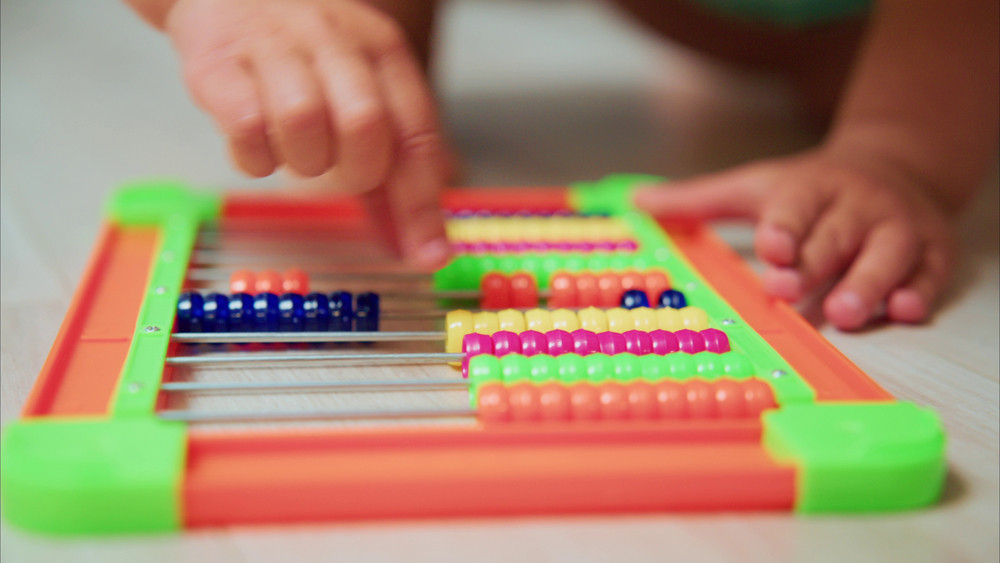

Independence is a skill children develop gradually through everyday opportunities to make choices, complete simple tasks, solve problems, and communicate their needs. Early learning can provide a structured environment where children practice these abilities while receiving appropriate guidance from adults. At home, parents can reinforce those skills by giving children manageable responsibilities and allowing them enough time to attempt tasks themselves.
The goal is not to expect children to handle everything alone. Instead, children should learn that they are capable of trying, making mistakes, asking questions, and seeking assistance when necessary. Consistent routines can also make unfamiliar tasks easier because children know what to expect. As children grow, responsibilities can increase according to their abilities and maturity. By combining encouragement with reasonable expectations, parents and educators can help children develop confidence and practical skills that support them throughout their early education and beyond.
1. Give Young Children Age-Appropriate Responsibilities At Home

Simple household responsibilities can give children regular opportunities to practice independence. Tasks do not need to be complicated. Putting toys away, carrying lightweight objects, helping set the table, or choosing between two outfits can teach children that they have an active role in their daily routines.
Projects for toddlers and parents can make these experiences more engaging. A simple activity such as sorting laundry, planting seeds, or organizing craft materials can turn an ordinary task into an opportunity for cooperation and problem-solving. Parents should demonstrate unfamiliar tasks before expecting a child to complete them.
Helpful strategies include:
- Give one instruction at a time.
- Demonstrate new tasks first.
- Allow extra time for completion.
- Praise effort and persistence.
- Increase responsibility gradually.
Parents should resist immediately fixing every mistake. A child may need several attempts before understanding how to complete a task. Offering encouragement while allowing appropriate challenges can help build confidence.
Responsibilities should also change as children develop. A task that requires substantial assistance at one age may become something the child can manage independently later.
2. Choose An Early Learning Environment That Encourages Self-Reliance
Parents evaluating private preschools should look beyond classroom decorations, facilities, and educational materials. The way teachers interact with children can provide valuable information about whether the environment encourages independence.
A supportive classroom should give children opportunities to participate in routines, make appropriate choices, and attempt tasks without adults immediately taking over. Teachers should still provide guidance and assistance when children need it.
Parents can ask about:
- Classroom routines.
- Opportunities for independent activities.
- Teacher-child interactions.
- Child-directed learning.
- Classroom responsibilities.
- Communication with families.
Visiting a program can also help parents observe how children behave during transitions, activities, and cleanup. Children should have reasonable opportunities to participate rather than being expected to remain passive.
Consistency can also support independence. When children understand what happens next, they can begin taking responsibility for familiar parts of the routine. Parents should consider whether the program’s teaching approach matches their child’s personality, developmental needs, and learning style.
The right environment should provide enough structure to create security while still giving children opportunities to make decisions and practice skills independently.
3. Teach Children To Manage Everyday Personal Care Tasks
Personal care routines offer frequent opportunities for young children to develop independence. Depending on their age and abilities, children can gradually participate in tasks such as washing their hands, brushing their teeth, putting on shoes, getting dressed, and managing personal belongings.
Waterproof bottom sheets can also be useful for families whose younger children are developing nighttime independence and still experience occasional accidents. Practical preparations can make these developmental stages easier for both children and parents.
Parents can support independence by:
- Keeping personal items within reach.
- Using simple visual reminders.
- Breaking routines into small steps.
- Practicing consistently.
- Assisting when necessary.
Children need enough time to attempt tasks themselves. Rushing through a morning routine by completing everything for them may be convenient in the moment, but it removes opportunities to practice.
Mistakes should also be handled calmly. Spilled water, backwards clothing, and forgotten belongings are opportunities to teach rather than reasons to discourage a child. As children become more capable, parents can gradually reduce their assistance and allow them to take ownership of familiar routines.
4. Encourage Hands-On Learning And Problem-Solving
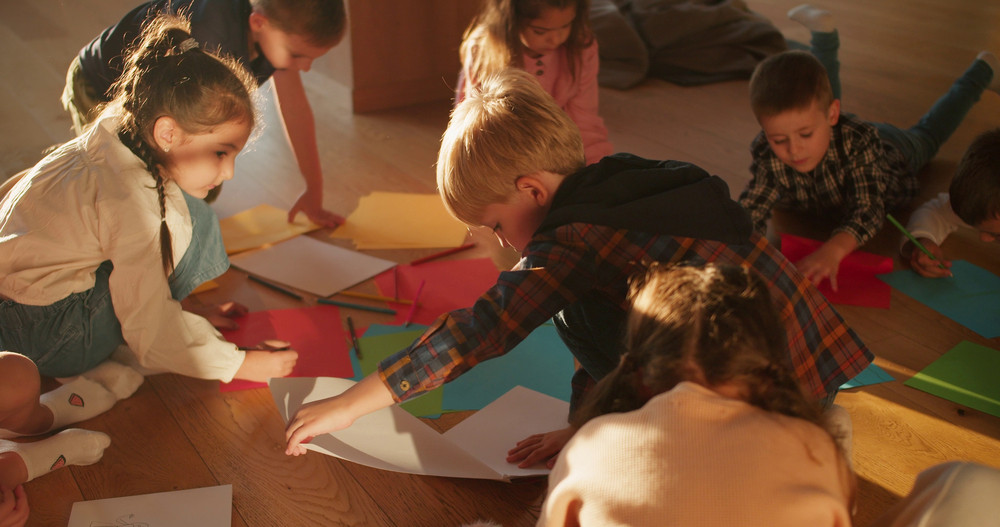
Children often learn effectively when they can interact directly with materials and make decisions about how to use them. Hands-on activities allow them to experiment, discover relationships, and experience the results of their choices.
Montessori programs are one example of an educational approach that can emphasize hands-on materials and opportunities for children to work independently. Parents can incorporate similar opportunities at home without needing to recreate a formal classroom.
Activities might include:
- Sorting objects by size or color.
- Building structures with blocks.
- Pouring and transferring materials.
- Helping prepare simple foods.
- Organizing household items.
- Completing age-appropriate puzzles.
Parents should give children opportunities to attempt solutions before stepping in. If a block structure falls down, for example, an adult can ask what the child might try differently instead of immediately rebuilding it.
Activities should remain appropriate for the child’s age and abilities. Some hands-on activities also require close supervision. The objective is to encourage curiosity and problem-solving while maintaining reasonable safety boundaries.
Allowing children to experiment can help them understand that mistakes are part of learning rather than evidence that they cannot complete a task.
5. Let Children Practice Making Simple Choices
Decision-making is another important part of independence. Young children do not need complete control over their routines, but they can make appropriate choices within boundaries established by adults.
Childcare services may provide opportunities for children to choose activities, select materials, or decide how to participate in familiar routines. Parents can create similar opportunities at home.
Useful choices might include:
- Selecting between two outfits.
- Choosing which book to read.
- Picking between two approved snacks.
- Deciding which activity to complete first.
- Choosing where to put a personal item.
Offering a limited number of options prevents children from becoming overwhelmed. Two reasonable choices are often enough to give a child a meaningful sense of control.
Parents should also follow through once they offer a choice. If a child selects one of two acceptable options, adults should generally allow that decision unless circumstances change.
Not every situation should involve a choice. Safety, health, and other important boundaries remain the responsibility of adults. The purpose is to help children practice decision-making in areas where they are developmentally ready to have some control.
6. Build Confidence Before The Transition To Formal School
School readiness involves much more than recognizing letters and numbers. Children also benefit from knowing how to follow simple directions, manage personal belongings, participate in group activities, communicate their needs, and complete basic tasks.
Pre k environments can provide opportunities to practice these skills within a structured setting. Parents can reinforce similar routines at home before a child begins a new educational stage.
Focus on skills such as:
- Following simple instructions.
- Waiting for a turn.
- Putting belongings away.
- Asking for help.
- Participating in group activities.
- Completing familiar tasks.
Parents can also use pretend play to introduce common classroom routines. A child might practice packing a backpack, sitting for a short activity, cleaning up materials, or asking a teacher for assistance.
The goal is not to make children feel pressured to perform academically before they begin school. Instead, parents can focus on practical skills that help children feel comfortable participating in a group learning environment.
Knowing what to expect can make transitions less intimidating. Familiar routines can also give children confidence as they begin taking responsibility for more aspects of their school day.
7. Support Independence Through Structured Social Experiences
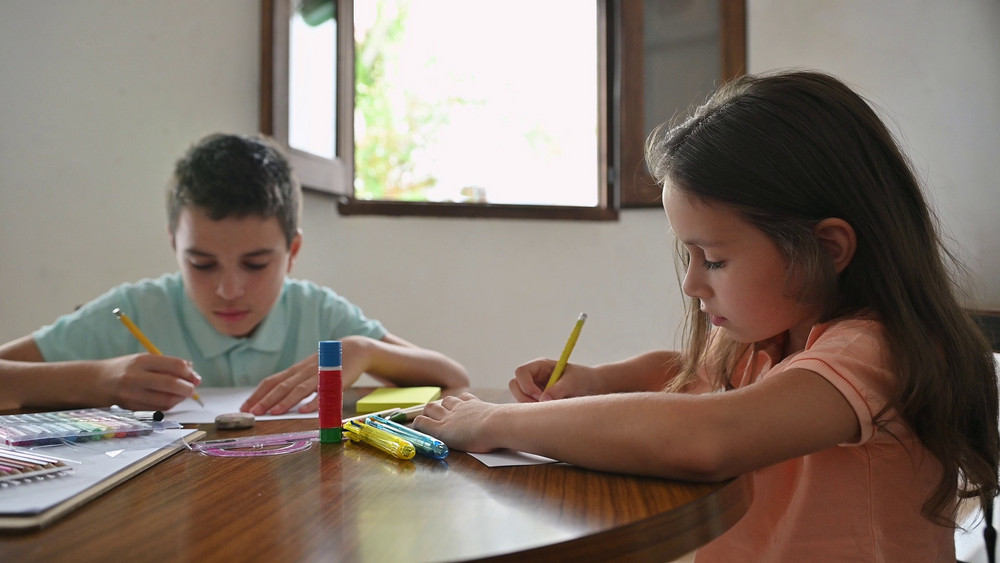
Interacting with other children gives young learners opportunities to practice communication, cooperation, turn-taking, and problem-solving. These experiences can help children become more confident when navigating social situations.
A toddler preschool setting can provide structured opportunities to practice these skills with peers and educators. Teachers can guide children through disagreements while allowing them to attempt simple solutions appropriate to their age.
Parents can encourage children to:
- Ask another child to join an activity.
- Take turns with shared materials.
- Express preferences respectfully.
- Ask for assistance when necessary.
- Participate in group activities.
Adults should not automatically solve every minor disagreement. If two children both want the same toy, for example, an adult might help them identify possible solutions rather than simply deciding who gets it.
Intervention is still appropriate when a situation involves safety, persistent conflict, or behavior children cannot reasonably manage themselves. The goal is to give children practice while providing appropriate boundaries.
Social independence develops at different rates. Some children are naturally more outgoing, while others need additional time and encouragement before participating comfortably in group activities.
8. Create Consistent Routines Across Home And School
Predictable routines can help children understand expectations and gradually take responsibility for familiar activities. When children know what happens next, they may feel more comfortable completing tasks independently.
Childcare centers often use consistent schedules to help children move between activities. Parents can create similar patterns at home without making every part of the day rigid.
Daily routines might include:
- Getting dressed after waking.
- Eating meals at regular times.
- Cleaning up after play.
- Preparing belongings for the next day.
- Following a consistent bedtime routine.
Visual schedules can be useful for younger children who benefit from seeing what comes next. Pictures can show activities such as getting dressed, eating breakfast, brushing teeth, and leaving for school.
Consistency does not mean home and school need identical routines. Instead, children benefit when expectations are clear and familiar tasks are handled in predictable ways.
Parents can gradually transfer responsibility for routine steps to their children. A parent might initially remind a child to put away toys, then eventually allow the child to recognize that cleanup is part of the activity without prompting.
9. Connect Learning To Future Life Skills
The independence children develop during early education can provide a foundation for more complex responsibilities later. Skills such as following directions, organizing belongings, communicating needs, and making appropriate choices become increasingly important as children grow.
Childcare centers and other early learning environments can help children practice these foundational behaviors through daily routines and classroom activities. Parents can reinforce them by gradually increasing responsibilities at home.
Early skills can eventually support:
- Managing school assignments.
- Organizing personal belongings.
- Following safety instructions.
- Making responsible choices.
- Asking for help appropriately.
- Managing time and routines.
Children should not be expected to master these abilities immediately. Repetition gives them opportunities to practice until familiar tasks become easier.
Parents can watch for signs that a child is ready for additional responsibility. If a child consistently completes one task without assistance, another small responsibility may be introduced.
The objective is gradual growth. Each new responsibility should provide an appropriate challenge without creating expectations that exceed the child’s developmental abilities.
10. Encourage Independence As Children Grow Older

Independence should continue developing as children move through different stages of education and life. Responsibilities that seem distant during early childhood eventually become part of everyday life, including managing schedules, making decisions, following safety rules, and taking responsibility for personal commitments.
Future educational experiences, such as beauty schools, can require students to manage more complex responsibilities, follow detailed instructions, communicate professionally, and make decisions about their work. A driver education course represents another later-stage experience where independence and responsible decision-making become especially important.
Parents can gradually introduce skills such as:
- Organizing personal belongings.
- Managing simple schedules.
- Taking responsibility for assigned tasks.
- Following safety procedures.
- Making appropriate decisions.
- Understanding when to seek guidance.
Expectations should increase according to maturity and ability rather than age alone. Parents can continue guiding while allowing children more control over decisions they are prepared to make.
The long-term goal is not complete independence from adults. It is helping children become confident, responsible individuals who can make appropriate choices, manage responsibilities, and recognize when they need assistance.
Independence develops through everyday opportunities to make choices, complete tasks, solve problems, and participate in routines. Parents and educators can support this growth by providing age-appropriate responsibilities, hands-on learning, social experiences, and consistent expectations. Children do not need to master every skill immediately. With patience, encouragement, and opportunities to practice, small responsibilities can build confidence and prepare children for increasingly complex challenges as they grow.